
How to Buy Vintage Pokémon Cards Online Without Getting Burned
PullBull TeamUpdated 7 min read
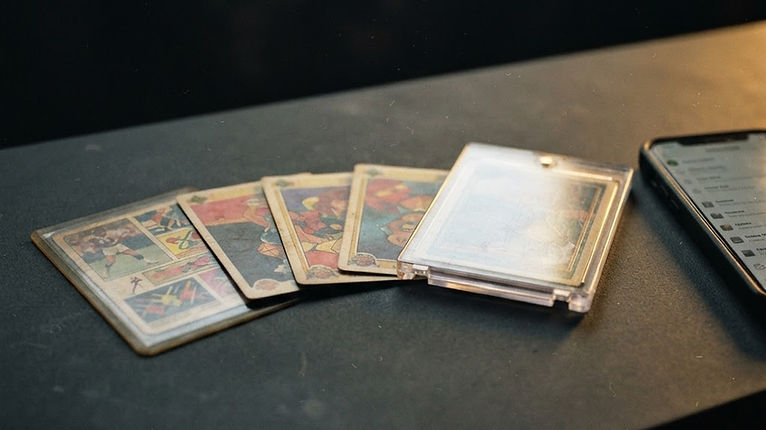
Vintage Pokémon cards can be thrilling buys and easy places to lose money. Early sets, big chase cards and high grades attract fakes, weak photos and prices that look like a steal until you look closer.
This guide covers a practical process: what "vintage" usually means, how to verify the exact card, how to judge condition from photos, and how to set a max bid so you do not overpay.
There is no official cutoff, but most English collectors treat Wizards of the Coast era cards as vintage: Base Set, Jungle, Fossil, Team Rocket, Gym sets, Neo sets and related early releases. Some people stretch "vintage" into early EX-era cards. When you shop, ignore the word vintage alone. Match the set name, set symbol, collector number and copyright line.
Japanese early printings use a different timeline and naming system. Confirm the exact JP set and number the same way you would for English, and compare sold prices for that language only.
Before you open auctions, write down:
Two similar thumbnails can differ by hundreds of dollars once the edition stamp or Shadowless layout is wrong. Use how to tell if a Pokémon card is 1st Edition and what the symbols on Pokémon cards mean when you read labels and set marks. Shadowless vs Unlimited is its own check, not a nickname sellers can invent.
If a title only says "rare vintage Charizard," ask for set, number and clear photos of the front, back, stamp area and edges before you bid.
Vintage cards are heavily counterfeited. Run authenticity checks even when the seller has good feedback.
Focus on:
Walk through the full checklist in how to spot fake Pokémon cards. For slabbed vintage, also use how to spot a fake PSA slab: verify the cert on the grader's official site, match name, set, number, variant and grade, and inspect the case for pry marks or cloudy edges.
If the price sits far below recent sold comps, slow down. For sealed retail product risks, see are Pokémon cards at Walmart and Target fake?. For singles, trust photos and comps more than excitement.
Condition drives vintage prices as much as the name on the card. Ask for, or only bid on listings that show:
Use the four pillars from our trading card condition and grading guide: centering, corners, edges and surface. For centering specifically, how to check centering on Pokémon cards helps you estimate left-right and top-bottom balance from photos.
Watch for these listing tricks: one glamorous front photo, heavy filters that hide whitening, fingers covering corners, "Near Mint" titles with LP-level edge wear, and graded photos that crop out the label or cert.
If the card is raw and expensive, ask whether you would still want it after a conservative grade. Raw vs graded Pokémon cards and is it worth grading Pokémon cards? help you decide without guessing.
Never set your budget from active listings alone. Active prices are hopes. Sold prices are what buyers paid.
For the exact card, set, language, variant and condition or grade:
How much your Pokémon cards are worth covers comps in more detail. For auctions, pair that with how much to bid on Pokémon cards and how to win online card auctions: pick a max from comps before the countdown gets emotional.
Vintage shows up everywhere. Match the channel to your risk tolerance:
Wherever you buy, prefer sellers who answer questions, show the back and corners, and write the cert number clearly for graded cards.
Copy this and run it every time:
If any step fails, skip the auction. Another copy will appear.
PullBull is a marketplace for collectible trading cards built around auctions and collector-run seller stores. You can filter Pokémon listings by set, condition and graded or raw, which helps when you compare vintage candidates. PullBull is still pre-launch, so features are being built step by step. Paid checkout and payment protection are not active yet. Use clear photos, ask for more angles when needed, and verify graded certs yourself before you bid hard.
When you are ready, browse the PullBull market and see what collectors are listing.
What counts as a vintage Pokémon card? Most English collectors mean early Wizards of the Coast sets such as Base Set through the Neo era. Always confirm the exact set and year rather than trusting the word vintage in a title.
Are vintage Pokémon cards often fake? Popular vintage holos and high-value cards are common targets for counterfeits and misleading listings. Authenticate every serious buy, especially when the price looks unusually low.
Should I only buy graded vintage cards? Not always. Graded cards add an independent opinion and can be easier to resell, but raw cards can be fair buys when photos are excellent and the price reflects condition. Compare raw and graded comps for the same card.
How do I know if a Base Set card is 1st Edition? Look for the official 1st Edition stamp in the correct place for that set and confirm the rest of the card matches a real 1st Edition layout. See how to tell if a Pokémon card is 1st Edition.
What if the seller will not send more photos? Treat that as a reason to pass on anything expensive. Clear corners, edges, back and label shots are normal for vintage sales.
How do I avoid overpaying in an auction? Set a maximum bid from recent sold prices before the auction gets exciting, then stick to it. Last-second emotion is how collectors overpay.
Is Shadowless the same as 1st Edition? No. They are different early Base Set distinctions. A card can be one, both in specific cases collectors discuss carefully, or neither. Confirm the exact layout and stamps from clear photos.
Buying vintage Pokémon cards online is a checklist, not luck: confirm the exact card, authenticate it, judge condition honestly, and bid from sold comps. Skip listings that hide details or rush you. When photos, cert and price line up, collecting gets more fun and less stressful. When you are ready, visit PullBull.
Browse live auctions and listings on PullBull.
Browse Pokémon card auctions on PullBull