
Are Pokémon Cards at Walmart and Target Fake? Retail Fakes and Resealed Packs Explained
PullBull TeamUpdated 10 min read
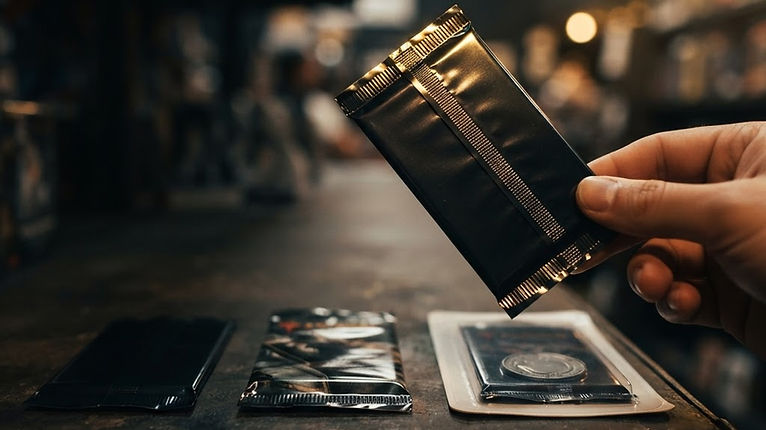
You grab a few booster packs or a blister from the card aisle at Walmart or Target, rip them open at home, and something feels off. The pull rate seems strange, the pack looked a little loose, or a card does not feel like the others in your binder. So you start wondering: are the Pokémon cards at big retail stores fake?
The short answer is that the products big retailers stock on their own shelves normally come through official distribution, so a fake product sitting in the card aisle is not the usual problem. The real risks at retail are different, and they are worth understanding: resealed or tampered packs, products that were returned and put back on the shelf, and third-party sellers on retailer websites. This guide explains each one, shows you how to check a pack before you pay, and covers what to do if you think you got a bad one.
When a major retailer buys Pokémon TCG products for its own stores, it usually buys them through official distribution channels. That is why most collectors treat sealed product bought in person from a big retailer as a lower-risk source than a random online listing.
Lower risk is not zero risk, though. Problems at retail usually come from what happens to a product after it reaches the store, not from the store ordering fake stock. The three situations collectors talk about most are:
Knowing which one you are dealing with tells you what to look for.
A resealed pack is a booster pack that was opened, searched or emptied, and then closed again to look new. People do this to keep the rare cards and sell the rest as if they were untouched.
Some methods collectors describe include weighing packs to guess which ones hold heavier holo or rare cards, slitting a pack along the back seam, or opening the crimp and sealing it again with glue or heat. Blister packs and boxes can be opened at the back or the bottom and closed with tape or glue.
You will not catch every resealed pack, but most of them leave clues if you look closely before you buy.
Take a few seconds with each pack. Hold it under the store light and check these points.
The crimp is the sealed, ridged strip at the top and bottom of the pack. On an untouched pack it should look even and consistent from one side to the other. Be careful with packs where:
Most booster packs have a long seam down the back. It should be straight and fully sealed. A seam that is wavy, lifting, wrinkled or partly open is a warning sign.
An untouched pack is usually snug around the cards. A pack that feels loose, has extra air inside, or lets the cards slide around a lot may have been opened. Wrinkles or creases in strange places can also be a sign.
If you are not sure, compare the pack with others of the same set on the shelf. A single pack that looks different from the rest, in its crimp, its seam or its shape, is the one to leave behind.
For blister packs, check that the plastic bubble is firmly sealed to the cardboard with no tape, glue or lifted edges. For boxes such as Elite Trainer Boxes, check the shrink wrap. Factory wrap is usually tight and neat. Loose, baggy, torn or messy wrap with odd folds is worth a second look. Also check the bottom and the back of the box, since those are the easiest places to open without it being obvious.
Counterfeit Pokémon cards do exist, and they are a real problem in the hobby. They are much more common in cheap online listings, bulk lots, unbranded bundles and products from unknown sellers than in official sealed product on a big retailer's own shelf.
If you ever pull a card that looks wrong, these are quick checks you can do at home:
For a full walkthrough with more checks, see our guide on how to spot fake Pokémon cards.
This is the point many people miss. Some big retailer websites include listings from outside sellers alongside products the retailer sells itself. A listing on a well-known site is not automatically the same as buying from that retailer directly.
Before you order online:
If the seller is an outside business you do not know, treat the listing with the same care you would give any other online seller.
You cannot always tell before opening. After you open a pack, these are signs that something may be wrong:
A pack with no hit is not proof it was searched. Rare cards are rare, and plenty of untouched packs contain nothing special. Look for physical signs of tampering, not just bad luck.
Keep everything. Keep the wrapper, the cards and your receipt. Do not throw away the packaging.
Take photos. Photograph the crimps, the seam and the contents straight on and in good light. Our guide on how to photograph trading cards shows how to get clear shots.
Contact the store. Go back to the customer service desk with your receipt, or contact the retailer if you bought online. Policies differ by store and by location, so ask what they can do.
If you bought from a third-party seller, contact the seller through the platform you used and follow that platform's dispute process.
PullBull is a collector-focused marketplace built around timed auctions and seller stores, where buyers can browse listings, watch auctions and follow the stores they like. PullBull is in an early, pre-launch stage, so listings are still limited. Paid checkout and payment protection are not active yet. Buyers and sellers use the contact seller button to agree on payment, packing and postage before going ahead, so always ask for clear photos and check a card carefully before you agree to anything. Learn more in what is PullBull? and how online card auctions work.
Are Pokémon cards at Walmart and Target fake? Products a big retailer stocks on its own shelves normally come through official distribution, so fake products in the card aisle are not the usual problem. The bigger risks are resealed or tampered packs, returned products put back on the shelf, and third-party sellers on retailer websites.
How can you tell if a Pokémon pack has been resealed? Check the top and bottom crimps for uneven, flattened or glued ridges, check that the back seam is straight and fully sealed, and feel for a loose pack. Compare it with other packs from the same set on the shelf.
Why do people reseal Pokémon packs? To keep the valuable cards and sell or return the rest as if it were untouched.
Can you tell which packs have rare cards by weighing them? Some people have tried weighing packs to guess which ones hold heavier holo cards. This is one reason collectors are careful about loose packs on open shelves. It is not a fair way to shop, and it leaves the remaining packs less likely to contain hits.
Is a pack with no rare cards a resealed pack? Not necessarily. Rare cards are rare, and many untouched packs have no big hit. Look for physical signs of tampering, such as a damaged crimp, an open seam or cards in the wrong order.
What should I do if I bought a resealed pack? Keep the wrapper, cards and receipt, take clear photos, and contact the store or the seller. Return policies differ, so ask what they can do.
Are Pokémon cards sold on retailer websites always official? Not always. Some retailer websites include listings from outside sellers. Check who the item is sold by and shipped by before you order.
Pokémon cards on a big retailer's own shelves are usually real, but that does not mean every pack is untouched. Resealed packs, returned products and third-party online sellers are the risks to watch. Check the crimps, the seam and the feel of every pack, compare it with the others on the shelf, keep your receipt, and check any card that looks wrong. For expensive cards, buying the single, or a graded copy, lets you see exactly what you are paying for. When you are ready to browse cards, visit PullBull.
Browse live auctions and listings on PullBull.
Browse Pokémon card auctions on PullBull