
How Much Are My Pokémon Cards Worth? A Step-by-Step Guide to Checking Card Values
PullBull TeamUpdated 10 min read
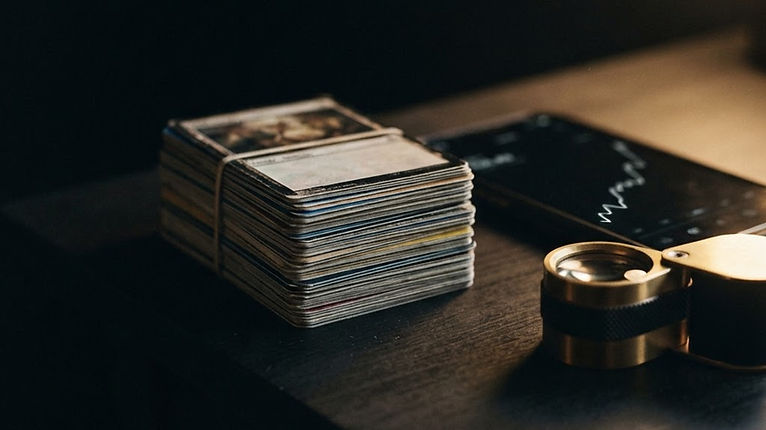
Maybe you found an old binder in a closet, opened a few packs, or you are thinking about selling part of your collection. Either way, the first question is always the same: how much are my Pokémon cards worth?
The honest answer is that a card is worth what buyers have recently paid for that exact card, in that condition. Not the highest asking price you can find, and not a number someone quoted years ago. This guide walks you through how to check Pokémon card values step by step, so you can price, buy or sell with confidence.
To find what a Pokémon card is worth:
The rest of this guide explains each step and the mistakes that trip most people up.
Two cards with the same Pokémon on them can have very different values. Before you look up any price, write down these details:
If you are not sure which version you have, search the card name plus the card number and set name, and compare the images carefully. Small details, like the position of the holo pattern or a stamp, matter.
Condition is one of the biggest factors in price. The same card in near mint condition and in heavily played condition can sell for very different amounts.
For raw cards (cards that are not graded), check:
Most sellers use common condition labels such as Near Mint, Lightly Played, Moderately Played, Heavily Played and Damaged. Be strict with yourself. Most people overestimate the condition of their own cards, and buyers will judge it from your photos.
For graded cards, the grade on the label does the work for you. A card graded by PSA, BGS, CGC or another company is priced by its grading company and grade, and a high grade can be worth far more than the raw card. Our trading card condition and grading guide explains the condition labels, how grading works and when grading may be worth it.
This is the step most people get wrong. Anyone can list a card for any price. What matters is what buyers actually paid.
Good places to check recent sales:
When you look at sales, always match the version and condition. A sale of a PSA 10 tells you nothing about a raw, lightly played copy, and a reverse holo sale tells you little about the holo version.
Once you have a list of recent sales for the right version and condition:
If you find very few sales, the card may be rare or simply not in demand. In that case, value is harder to pin down, and an auction can be a fair way to let buyers decide.
There is no simple rule, but some factors often push values up:
On the other hand, most common and uncommon cards from modern sets are worth very little individually. That is normal. Bulk cards are usually sold in large lots rather than one by one.
Once you know what your card is worth, a few things help you get a fair price:
PullBull is a marketplace for collectible trading cards where sellers run their own stores and list cards in timed auctions. Each auction shows its bid history, so you can see how collectors are bidding on a card. PullBull is in an early, pre-launch stage, so the number of listings is still small, and it works best as one more data point next to the sources above.
Paid checkout and payment protection are not active on PullBull yet. If you buy or sell, use the contact seller button to agree on packing, tracking and who pays postage before you go ahead. To learn more, read what is PullBull?
See what collectors are bidding on. Browse stores and timed auctions for graded and raw cards. Browse auctions on PullBull
How can I check what my Pokémon cards are worth for free? Search for the exact card on eBay and use the Sold Items filter, then compare with free price pages such as TCGplayer and PriceCharting. Match the set, card number, variant and condition.
Are old Pokémon cards worth money? Some are, but not all. Older cards in strong condition, 1st Edition cards and popular rare cards can be valuable. Many common cards, even older ones, are worth little on their own.
Why do price sites show different values for the same card? Each site uses different sales data, time periods and methods. That is why it helps to check several sources and look at the actual recent sales.
Is a Japanese Pokémon card worth the same as the English version? Not usually. Japanese and English cards have separate markets, and either one can be worth more depending on the card.
Should I get my card graded before selling? It depends on the card's value and condition. Grading costs money and takes time, so it usually only makes sense for valuable cards in excellent condition. Compare recent sales of raw and graded copies before you decide.
How do I tell if a card is holo or reverse holo? On a holo card, the shiny foil is in the artwork box. On a reverse holo, the foil covers the rest of the card while the artwork is not foil. They are priced separately.
What should I do with bulk common cards? Common and uncommon cards are usually sold in lots by quantity rather than individually. Pull out any rares, holos and special cards first and price those separately.
Your Pokémon cards are worth what buyers have recently paid for the same exact card in the same condition. Identify the card carefully, judge condition honestly, check sold prices across a few sources and use the middle of recent sales as your guide. Do that, and you will avoid underselling your best cards or overpaying for someone else's. When you are ready to see what collectors are bidding on, browse auctions on PullBull.
Related: Trading card condition and grading guide · How to spot fake Pokémon cards · How to photograph trading cards · How online card auctions work · How to ship trading cards safely · What is PullBull?
Browse live auctions and listings on PullBull.
Browse auctions on PullBull
Learn how to photograph trading cards with just a phone: lighting, backgrounds, angles, holo and slab shots, and the exact photo set buyers want to see before they bid.
Opening bids, reserves, bid increments, proxy bids, sniping and buyer's premiums explained, plus how to bid and sell smarter in online trading card auctions.

